

Understanding School Non-Attendance in Aotearoa
Across Aotearoa, school attendance is under increasing scrutiny. From Ministry targets to staffroom conversations, it’s clear that absenteeism is one of the most pressing challenges in education today. But behind every attendance statistic is a tamaiti or rangatahi and a complex set of circumstances that defy quick fixes or blame.
Among the many reasons for school absence, one pattern is becoming more widely recognised: Emotionally Based School Avoidance (EBSA). Understanding and responding to EBSA is essential if we’re to improve attendance in a way that supports wellbeing, honours lived experience, and builds stronger, more inclusive school communities.
A national issue with local urgency
Recent insights from school leaders and boards across the motu show that attendance is a high-stakes issue — particularly in schools serving communities facing socioeconomic disadvantage. For some schools, absence rates are alarmingly high, with leaders describing rising levels of ‘school refusal’ rooted in emotional distress, not disinterest or defiance.
These challenges are often tied to anxiety, past trauma, or a sense of disconnection — and they contribute to missed learning, social isolation, and extra pressure on already stretched school systems. While the Ministry has set ambitious goals, many principals and boards agree: improving attendance isn’t just about tracking data — it’s about understanding people.
What is EBSA?
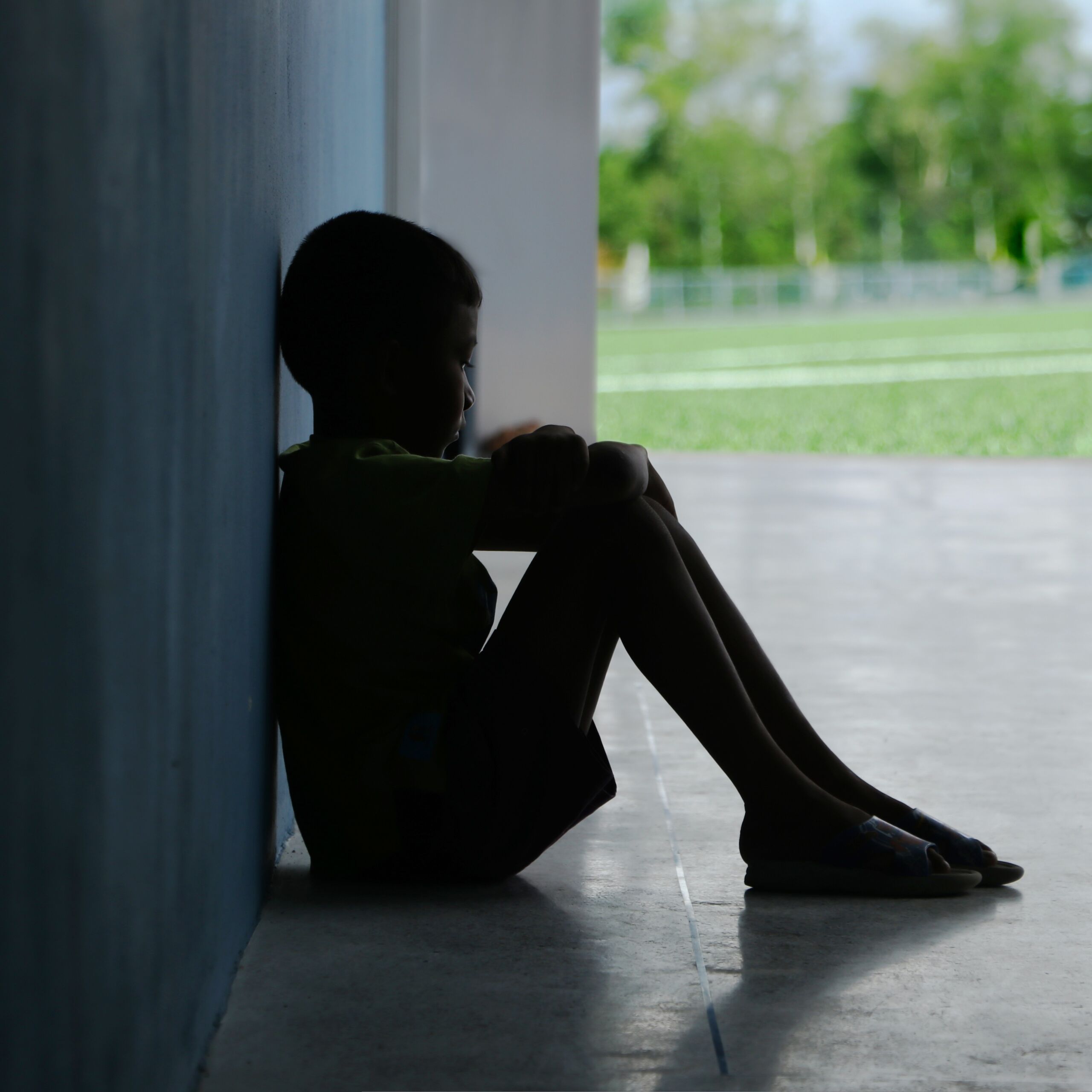
Emotionally Based School Avoidance is when a student finds it extremely difficult to attend school due to emotional distress — often linked to anxiety, trauma, or other mental health concerns. This isn’t the same as truancy. Tamariki with EBSA often want to be at school but feel emotionally unable to attend.
EBSA usually develops gradually. What might begin as occasional reluctance can evolve into chronic absence, particularly if early signs are misunderstood or overlooked.
For many learners, cultural identity plays a critical role in their school experience. Feelings of cultural disconnection or not feeling seen at school can be especially significant for Māori and Pasifika students, recent migrants and refugees, and those impacted by intergenerational trauma. Building whanaungatanga — genuine, caring relationships — is essential to helping these ākonga feel a sense of belonging.
Behaviour as communication
As educators, we know that behaviour is never random. EBSA is a sign that something isn’t working for the student — emotionally, relationally, or within their environment. If we want to re-engage students, we must be curious, not reactive.
Contributing factors to EBSA may include:
- Anxiety (generalised, social, or school-specific)
- Past trauma or adverse childhood experiences
- Bullying or peer issues
- Academic challenges or learning needs
- Stressful home situations or separation anxiety
- Disconnection from cultural identity
- Strained relationships with kaiako or staff
For some students, school may reflect values or structures that feel unfamiliar or even unsafe. Meeting this challenge means looking holistically at each student’s environment — and responding with cultural humility and inclusive practice.
Five principles for supporting attendance through an EBSA lens
Every school context is different, so there’s no one-size-fits-all solution. However, there are guiding principles that can make a difference:
1. Recognise early signs
Think of EBSA as a continuum: it may start with physical complaints like headaches or tummy aches, or a quiet withdrawal from class activities. Catching these signs early enables responsive, timely support — before absence becomes entrenched.
2. Work in partnership with whānau
Parents and caregivers are essential partners, not problems to solve. Many carry their own anxieties or past experiences with school. Approaching whānau with empathy, curiosity, and respect fosters trust and opens the door to shared solutions.
3. Co-create gentle return plans
For tamariki or rangatahi who’ve been away for a while, full-time return can feel daunting. Individualised, whānau-centred plans — that may include part-time schedules, quiet spaces, or a focus on positive relationships — are more likely to succeed.
4. Modify the school environment
Sometimes, school itself needs to shift. That might mean quieter zones, staggered transitions, or relational staffing that prioritises connection. Whole-school cultures rooted in manaakitanga and inclusiveness are key to long-term engagement.
5. Approach with empathy
Attendance data is important — but numbers alone don’t tell us why students aren’t turning up. We must keep the focus on the child: What’s their story? What support do they need? How can their voice shape the solution?
Attendance as a systems issue, not an individual fault
Educators across Aotearoa are working tirelessly in a complex landscape. Attendance challenges are not about blame — they’re about systems, support, and relationships. This is a chance for honest reflection:
- Do our systems feel safe and welcoming for all students?
- Are we resourcing staff to build deep, trusting relationships with whānau?
- Are we treating mental health as central to learning — not a barrier to it?
Addressing EBSA together
EBSA isn’t a discipline issue — it’s a wellbeing issue. By applying trauma-informed, relational, and culturally responsive approaches, we can create school environments where every ākonga feels safe, connected, and valued.
The challenges ahead are real — but so is the opportunity. Let’s work together to reshape how attendance is supported: not through pressure or punitive systems, but through connection, understanding, and collective care.