
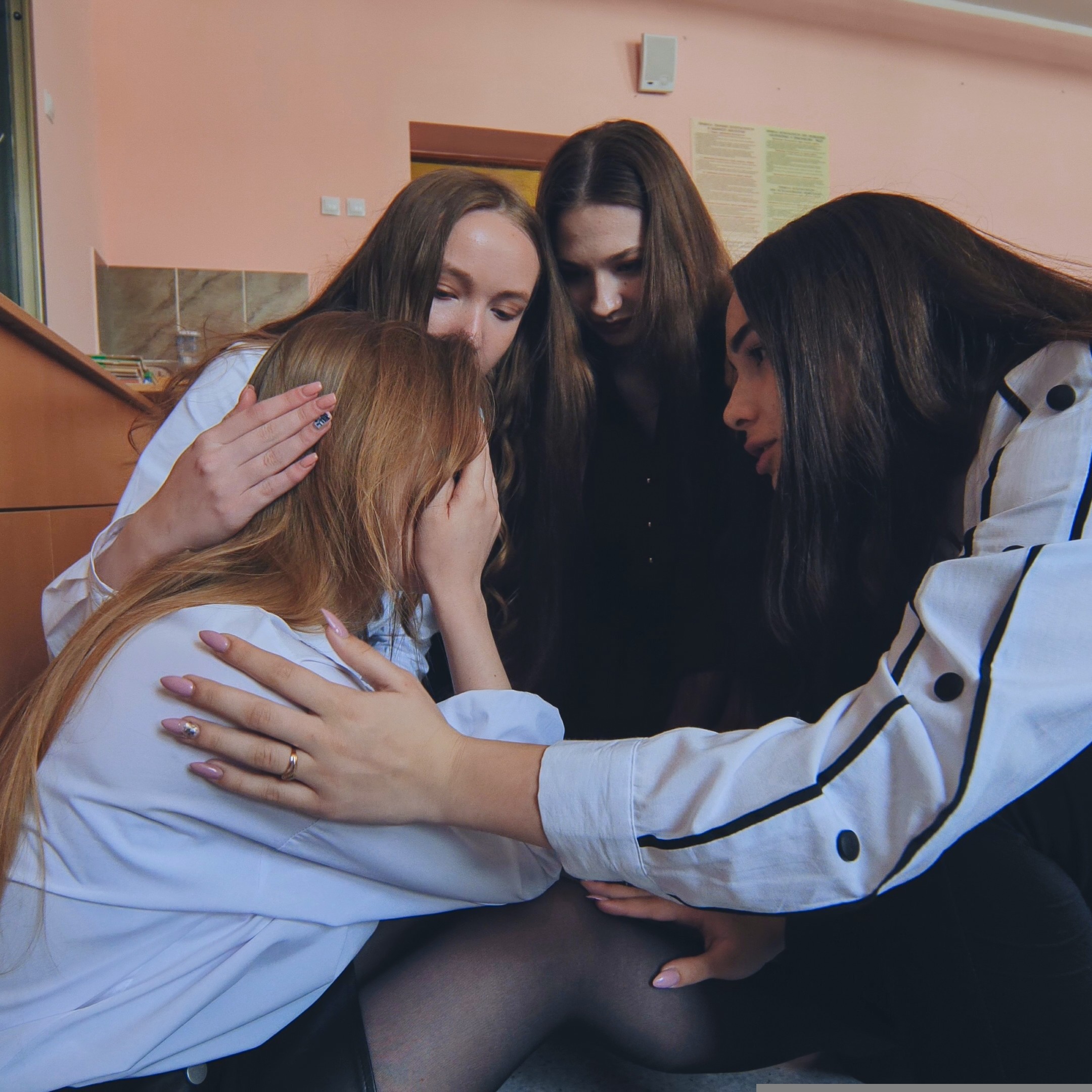

Download your Bullying Support Toolkit
Bullying, whether physical, verbal, or online can have a significant impact on a child’s emotional, mental, and physical wellbeing. It can affect their sense of self-esteem, self-confidence and self-worth and have ramifications for their personal, academic, and social development.
As practitioners who work with children and young people, we play an important role in addressing bullying and supporting victims, as well as helping those who bully others to understand the impact of their actions and the reasons behind their behaviour.
This pack of 1:1 activities is designed to help build self-esteem, self-confidence, and assertiveness. The activities can be adapted for any age or developmental stage and can be used with both victims of bullying and those who engage in bullying behaviour.
Each activity follows the same format:
- Name of activity
- Purpose
- Instructions
- Adaptations
- Key questions. You may need to change the wording of these to meet the needs of the child or young person you are supporting
Please note: while the focus is, understandably, often on the victim of bullying, it is important to recognise that bullying behaviour can often mask worries and anxieties or be a sign that a child needs support. Understanding why they are behaving this way can help you decide on the best ways to support them.
It’s also essential that children and young people feel emotionally safe to take part in these activities, especially if they are the person bullying others. There must be no blame, judgement, or criticism; instead, as a practitioner, you need to ensure that the environment you create is calm, relaxed, and safe.